
Exploring the impact of psychology in casino gambling choices
The Psychology Behind Gambling Behavior
The fascination with gambling often transcends mere chance and luck. It intertwines with fundamental aspects of human psychology. Players are drawn to the thrill of the game, sometimes regardless of the potential financial repercussions. This intrinsic motivation to play can stem from various psychological needs such as the desire for excitement, social interaction, or an escape from daily life.
The psychological responses involved in gambling incorporate elements like risk-taking and reward assessment. As players engage in games, their brains release neurotransmitters, such as dopamine, which are linked to pleasure and reward. This creates a feedback loop that can keep individuals engaged, making it harder to disengage and leading to decisions that may not always be in their best interest.
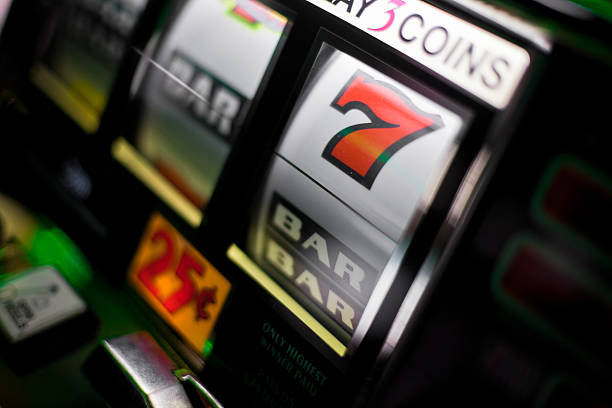
Moreover, the desire to win not only fuels the thrill but can also distort the perception of odds. Gamblers may believe they possess exceptional skills, leading them to take unnecessary risks. This cognitive bias can enhance the allure of gambling, creating a paradox where the more one plays, the more they feel the compulsion to keep playing, even in the face of losses.
The Role of Environment in Decision-Making
The environment of a casino significantly shapes gambling choices. Elements such as lighting, sounds, and even scent can stimulate emotions and set the stage for attraction to games. Casinos often utilize these sensory aspects strategically to foster an atmosphere that encourages prolonged engagement. This environmental setup creates a psychological push that can lead to impulsive choices.
Moreover, the layout of the casino itself can manipulate the flow of foot traffic, enticing players to try their luck at different games. This orchestrated environment creates a sense of urgency and excitement, leading individuals to make quicker, more spontaneous decisions. Understanding how such factors impact the psyche can reveal why certain choices are prevalent among gamblers.

Further complicating this decision-making process is the influence of marketing strategies employed by casinos. Promotions and rewards programs can leverage psychological tendencies, enticing players to spend more in search of perceived value. Such strategies capitalize on individuals’ cognitive biases, pushing them to rationalize their gambling behavior and justify their spending.
Addiction and Compulsive Behavior
Addiction to gambling is a genuine concern for many individuals and can be rooted in psychological factors. The thrill of winning can lead to compulsive behavior, wherein individuals return to the casino repeatedly, hoping to replicate that initial win. The cycle can spiral out of control as players begin to chase losses, fueled by the belief that a significant win is just around the corner.
This compulsive gambling behavior can significantly affect relationships, finances, and overall mental health. Various psychological theories attempt to explain this addiction, including the concept of cognitive distortions, wherein players misinterpret probabilities and outcomes. Such misunderstandings can lead them to make illogical choices that ultimately have negative impacts on their lives.
Furthermore, the emotional repercussions of gambling addiction are profound. As individuals find themselves trapped in cycles of hope and despair, feelings of shame and guilt often accompany their actions. This emotional turmoil can lead to isolation, making it harder for individuals to seek help or support from friends and family, which may only exacerbate the issue.
Social Influences on Gambling Choices
Social dynamics also significantly influence gambling behaviors. The presence of peers can amplify the excitement associated with gambling and encourage riskier choices. Whether in a physical casino or online platforms, the social aspect of gambling can create a shared experience that enhances the thrill and diversifies decision-making processes.
Furthermore, online platforms often incorporate social features such as chat rooms and leaderboards, which can provoke competition among players. This competitive psychological environment can prompt individuals to make choices they might otherwise avoid, altering their gambling strategies in pursuit of social validation.
The multiplayer aspect of some online games can lead to a sense of community that reinforces gambling behaviors. Players might feel inclined to participate in joint activities, sharing wins and losses, which can create peer pressure to engage more frequently. Such interactions can minimize the perception of risk, as social settings tend to normalize the behavior, thereby influencing individual choices.
Exploring the Online Gambling Landscape
As the world progresses toward digitalization, the online gambling landscape has transformed significantly. Players can enjoy their favorite games from the comfort of their homes, which alters how psychological factors manifest. The anonymity of online gambling can reduce inhibitions, leading to riskier choices compared to traditional casino settings.
Additionally, online platforms like best online casino fast payout cater to psychological needs by providing immediate feedback and rewards. This instant gratification can increase engagement levels and affect overall gambling choices. The convenience of online gambling means players often confront their psychological triggers more frequently, raising awareness around potential issues like addiction and impulsivity.
Moreover, online gambling websites can create a sense of urgency through countdowns and limited-time offers that exploit users’ fear of missing out (FOMO). Such tactics further entrench players in their habits, making it difficult for them to recognize when their gambling may have crossed into harmful territory. The blend of technological advancement with psychological triggers presents a unique challenge for players and regulators alike.