
Description
Cummins 2894872: What It Is and Why It Matters
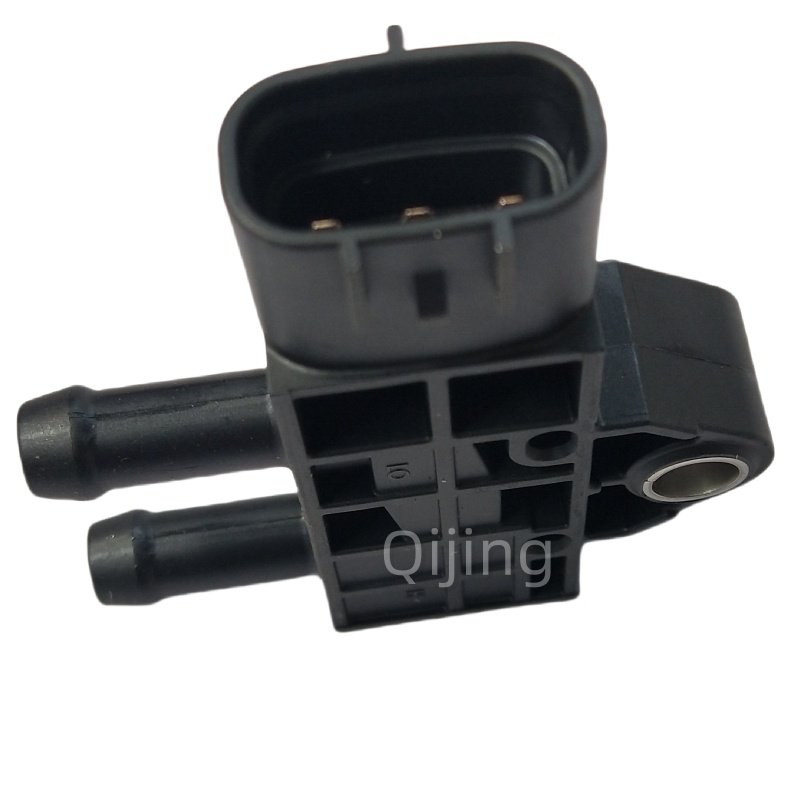
The 2894872 pressure sensor from Cummins is more than just another spare part — it is a critical emissions‑control component in modern diesel engines. Specifically, this differential pressure (ΔP) sensor monitors the pressure difference across exhaust components such as the Diesel Particulate Filter (DPF) or other aftertreatment devices.
In practical terms, the sensor measures how much resistance or back‑pressure is present in the exhaust flow. When differential pressure rises — for instance, due to soot accumulation in the DPF — the sensor detects it. Consequently, the engine control system can trigger a DPF regeneration cycle or alert the operator. Without a functioning ΔP sensor, the engine may fail to properly regenerate the DPF, leading to clogged filters, reduced performance, increased emissions, or even engine derate.
Moreover, the 2894872 sensor is compatible with a range of engines — from light‑duty ISF2.8/ISF3.8 series to heavier QSB, B, L, and ISD series — which demonstrates its versatility across different vehicle types, including trucks, buses, and off‑road machinery.
Key Specifications & Functional Role
Understanding the technical specs of 2894872 helps highlight why it is trusted by OEMs and aftermarket suppliers alike:
-
It converts pressure differential across exhaust/aftertreatment components into a linear electrical signal (typically 0.5–4.5 V), used by the engine control unit for emissions regulation.
-
The sensor typically operates across two ports (high and low pressure side) and mounts on the exhaust/aftertreatment system with dedicated pressure hoses.
-
Because exhaust conditions vary widely (temperature, soot buildup, etc.), the sensor is built robustly to handle tough environments — ensuring accurate pressure readings across a range of engines
Functionally, the 2894872 sensor plays an essential role in:
-
Monitoring DPF back‑pressure to trigger regeneration when needed;
-
Ensuring exhaust aftertreatment systems operate correctly, avoiding soot buildup or blockages that reduce engine efficiency;
-
Helping maintain compliance with emission regulations by ensuring proper exhaust flow and filter maintenance.
Common Failure Symptoms & Impact
Even though 2894872 is a reliable OEM part, over time failure or contamination can occur. Some common failure indicators include:
-
False DPF clogging warnings or repeated DPF regeneration cycles, even when the filter is actually clean. This often stems from clogged pressure ports or a ruptured internal diaphragm.
-
Engine derate or “limp mode,” where engine power is reduced significantly (sometimes 50–75%) due to incorrect pressure readings — this reduces performance and may cause frequent forced regenerations.
-
Excessive soot output or poor fuel efficiency, because the system fails to regenerate the DPF properly.
If you observe any of these signs, it is important to inspect the sensor’s pressure lines (hoses), check for carbon buildup at the pressure ports, and verify the sensor’s electrical signal. Regular maintenance — including cleaning or replacing clogged hoses — helps avoid costly repairs and ensures the emissions system continues working properly.
Why 2894872 Matters for Diesel Engines in 2025+
As emission standards become more stringent worldwide, engines must maintain more precise aftertreatment control. Therefore, components like the 2894872 differential pressure sensor remain indispensable even today.
First, modern engines often rely on complex aftertreatment systems (DPF, SCR, EGR) to meet emissions regulations. Without accurate pressure feedback, these systems can’t function optimally — which might lead to noncompliance or engine damage.
Second, as fleets age or operate in harsh conditions (heavy load, frequent stop‑start, urban use), soot accumulation and DPF clogging become more common. A reliable ΔP sensor like 2894872 is the frontline guard against these problems.
Finally, for engine rebuilders, spare‑parts suppliers (like your company), or aftermarket distributors — offering genuine 2894872 sensors ensures customers receive OEM‑level reliability, which is vital for long‑term engine performance and customer satisfaction.
Long‑Tail Keywords You Should Target
To help your SEO reach customers who search more specifically, it is advisable to weave in the following long‑tail keywords throughout your article:
-
“Cummins 2894872 differential pressure sensor for DPF”
-
“Cummins ISF2.8 exhaust pressure sensor 2894872”
-
“Cummins 2894872 ΔP sensor replacement”
-
“Cummins QSB6.7 2894872 DPF sensor”
-
“Diesel particulate filter pressure sensor 2894872 OEM”
-
“Cummins differential exhaust pressure sensor for trucks”
In addition, including broad but relevant secondary keywords such as “DPF backpressure monitoring,” “aftertreatment sensor for Cummins engines,” and “exhaust system pressure sensor for diesel trucks” helps capture a wider range of search intent.
Conclusion
In summary, the Cummins 2894872 differential pressure sensor is a critical component for modern diesel engines — especially those equipped with DPF and other aftertreatment systems. By accurately measuring exhaust pressure differential, it ensures timely DPF regeneration, prevents blockages, protects engine performance, and helps meet emission standards. For fleets, repair shops, and parts suppliers, offering this OEM‑grade sensor is essential for long-term reliability and compliance.
More info about Cummins 2894872, please visit our official website: www.best-cummins.com