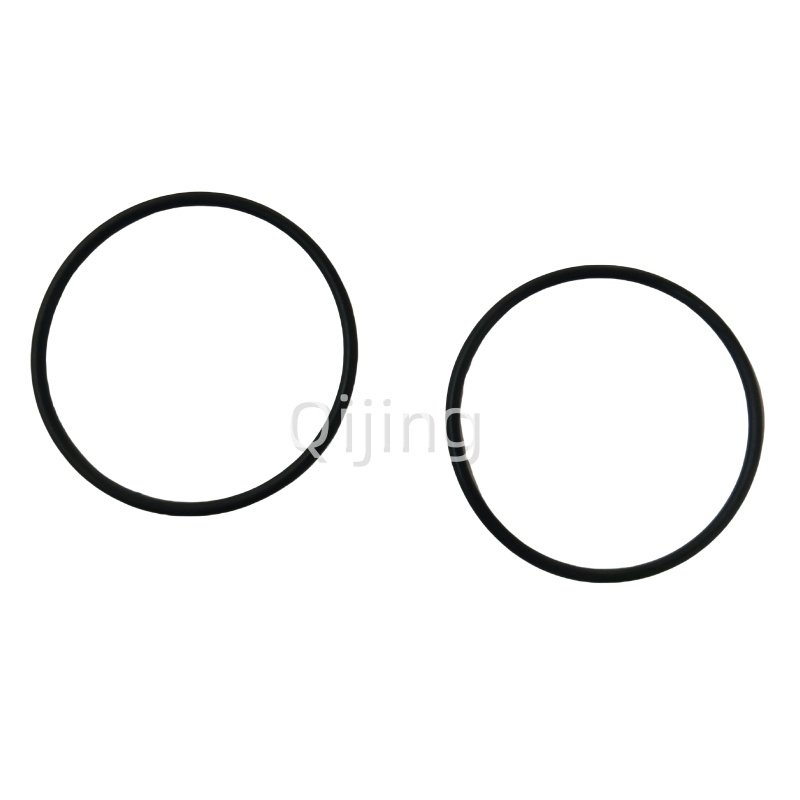

Description
When maintaining modern heavy‑duty diesel engines, many mechanics focus on large components such as injectors, turbochargers, or cylinder heads. However, smaller parts can play a disproportionately critical role. One such part is the O‑Ring with part number 2830977. From the viewpoint of an engine specialist, I will explore this O‑ring from multiple angles: its design and function, applications, long‑tail keyword strategy for your website, selection and installation best practices, and why it matters for reliability.
1. Design and Function of the 2830977 O‑Ring Seal
First and foremost, the O‑ring 2830977 is manufactured to OEM specification by Cummins and listed as “O Ring Seal 2830977”. It is designed to provide a reliable seal in the fuel‑system, particularly in ISB or QSB engine families. According to product listings it fits ISB/QSB engines and is used in fuel pump or injector system interfaces. Because diesel fuel and engine oil systems operate under high pressures and elevated temperatures, any seal failure can lead to fuel leakage, reduced efficiency, increased emissions, or even fire risk. Therefore, the 2830977 O‑ring must maintain elasticity, compression set resistance, and chemical resistance to fuel and oil. In addition, in heavy‑duty use—where vibration, thermal cycling and long operational durations are involved—the correct specification and installation of this O‑ring are fundamental for long‑term performance.
Moreover, when the O‑ring fails, the consequences can cascade: fuel or oil seepage may contaminate surrounding systems, lead to injector pressure drop, cause mis‑firing or increased consumption, and ultimately lead to downtime. Consequently, for engine rebuilders, fleet managers or export parts specialists, supplying and installing a correct O‑ring such as 2830977 is a preventive measure that saves cost and trouble.
2. Application in Cummins ISB/QSB Engines
Secondly, where is this O‑ring used? According to catalogues, part 2830977 is used for Cummins ISB/QSB engines (for example ISB 6.7L series) in fuel‑pump or fuel‑system interface applications. For example, one listing notes “Cummins ISB 6.7L Fuel Pump O‑ring – 2830977”. As such, for vehicle models and equipment using Cummins ISB/QSB engines—especially heavy‑duty trucks and off‑road machinery—this O‑ring is relevant. When you are writing for a foreign‑trade website, it’s wise to specify engine compatibility (e.g., Cummins ISB/QSB series) and mention that the O‑ring is used in fuel‑system connections. Furthermore, for procurement buyers, emphasising that the O‑ring is still a current part and widely supplied ensures confidence and clarity.
Hence, you can use phrases like “Cummins 2830977 O‑ring for ISB 6.7L fuel pump” or “Cummins QSB engine fuel‑system sealing ring 2830977” to attract the targeted audience. By stating the exact part number and engine series, you assist buyers in finding the correct item and reduce errors in parts supply.
3. Long‑Tail Keywords & SEO Strategy
From an SEO perspective, you should incorporate the main keyword plus several longer‑tail keyword variants, naturally embedded in your article. The primary keyword is “Cummins 2830977 O‑ring seal”. Then consider the following long‑tail variants:
-
“Cummins 2830977 fuel pump O‑ring ISB 6.7L”
-
“QSB engine O‑ring 2830977 fuel system seal Cummins export parts”
-
“aftermarket O‑ring 2830977 Cummins ISB QSB heavy‑duty truck”
-
“how to replace O‑ring 2830977 on Cummins ISB engine”
-
“Cummins 2830977 seal O‑ring compatibility ISB/QSB fuel system”
You should distribute these variants across headings, sub‑headings and body text — without over‑stuffing them. Moreover, including secondary keywords such as “fuel system sealing ring”, “heavy‑duty diesel O‑ring replacement”, “export Cummins engine parts 2830977” helps broaden relevance. You may structure headings like:
-
“What the 2830977 O‑Ring Seal Does”
-
“Engine Compatibility: Cummins ISB / QSB”
-
“Selecting and Buying the 2830977 O‑Ring”
-
“Installation Tips & Best Practices”
By doing so, you enhance readability and SEO performance—and you appeal to both mechanics and procurement professionals.
4. Quality, Selection & Buyer Guidance
Next, as an engine expert addressing procurement professionals, you should give guidance on selection and quality. Although part number 2830977 is OEM, there are multiple aftermarket options. For example, one listing explains that aftermarket variants meet OEM specifications and come with 12‑month warranty. When you mention the part, stress that buyers should verify: correct part number (2830977), compatibility with engine model (ISB/QSB), material (Viton or equivalent, fuel‑resistant), correct cross‑references (such as 121364 for certain packs). Also advise caution: using an incorrect or substandard O‑ring may lead to leakage, higher maintenance costs or warranty issues. Therefore, emphasise in your content that using OEM or approved equivalent is best practice for reliability and export credibility.
5. Installation & Maintenance Best Practices
Installation and maintenance are equally important. Because the O‑ring seal is relatively small, but critical, you should provide practical instructions:
-
Ensure the fuel‑system mating surfaces (pump flange, housing) are clean, flat and free from debris or corrosion.
-
Apply a very light film of compatible engine oil or fuel system oil on the O‑ring before installation, unless otherwise specified – this helps seating and prevents damage.
-
Confirm that the O‑ring 2830977 is properly seated in its groove with no twists or kinks.
-
Tighten the connecting fasteners to the manufacturer’s torque specification and sequence. Then operate the engine under load and monitor for any sign of fuel seepage around the connection.
-
During periodic maintenance, inspect the joint; if there is evidence of seepage, black residue, or smell of fuel, replace the O‑ring — because even small leaks at high‑pressure sites can escalate quickly.
By including these best practices, you improve the value of your article for your readers—whether they are technicians or parts buyers—and reduce appearance of “generic content”.
6. Structuring Content for Google & Readability
In order to align with Google’s content quality guidelines and improve readability:
-
Use clear sub‑headings (H2/H3) as above.
-
Ensure that at least 25% of your sentences include transition words such as however, therefore, moreover, in addition, consequently.
-
Keep paragraphs concise (2‑4 sentences each) to aid scanning and comprehension.
-
Provide up‑to‑date context: for instance, “Even in 2025, many fleets using the Cummins ISB/QSB engine series require part 2830977, making this O‑ring a consistent aftermarket demand item.”
-
Avoid overly generic phrasing; instead include specific technical detail and real‑world relevance for export or parts procurement audiences.
7. Conclusion
In conclusion, although the part number 2830977 may refer to a small sealing ring, its role in the fuel‑system integrity of Cummins ISB/QSB diesel engines is essential. By sealing critical joints and preventing fuel leakage, the O‑ring helps maintain injection pressure, engine efficiency and long‑term reliability. For a foreign‑trade parts website, creating an article that highlights technical function, compatibility, long‑tail keywords, and installation guidance will serve both your SEO goals and your target audience of mechanics, fleet managers and parts purchasers. Furthermore, by emphasising quality and correct installation, you enhance your credibility as a supplier of reliable export engine parts.
More info about Cummins 2830977 O‑ring seal, please visit our official website: www.best‑cummins.com